Module 1: Panic, Breathing & Air Awareness
Module Overview
This module helps you understand why panic happens underwater, how breathing changes perception, and how to interrupt fear before it escalates.
Panic is not a personal failure.
It is a predictable nervous-system response to an unfamiliar environment.
Once you understand the pattern, you can work with it calmly.
What You Will Learn
By the end of this module, you’ll be able to:
Recognise early signs of panic underwater
Understand the role of breathing in fear escalation
Use the SBOA framework to regain awareness and calm
Feel more confident and in control of your air and body
Key Concept: Panic Is a Loop
Panic underwater rarely appears instantly.
It builds through a feedback loop:
Breathing becomes faster or shallower
Carbon dioxide levels rise
Sensations feel more urgent or restricted
The mind interprets this as danger
Breathing speeds up further
When the exhale shortens, the nervous system shifts into threat mode — even when equipment hasn’t failed, or the environment hasn’t changed.
Only your interpretation has changed.
Breathing and Perception
Underwater, breathing is:
slower by design
resistance-based
more noticeable
When anxiety increases, the nervous system shortens the exhale.
This creates the feeling of air hunger — even when air supply is normal.
The solution is not to inhale more.
It is to slow and lengthen the exhale.

The SBOA Reset (Applied to Breathing)
S — Stop
Reduce movement.
Let your body become still.
Stillness reduces sensory overload.
B — Breathe
Slow the breath.
Focus on a longer exhale than inhale.
Think: soft, steady, unforced.
O — Orient
Check:
air gauge
depth
body position
surroundings
You are re-anchoring to facts, not sensations.
A — Act
Choose one calm, deliberate action:
adjust buoyancy
signal your buddy
resume slow finning
Real Dive Example
A diver at 18m notices breathing becoming faster and shallower.
The regulator feels “restricted” or “tight” even though the air supply is normal.
The diver’s thoughts begin to race, and they become increasingly agitated.
Using SBOA:
Stop: Finning slows or pauses, body stills
Breathe: Exhale is lengthened deliberately through pursed lips
Orient: Air gauge is checked — well within limits
Act: Diver resumes slow movement
Within moments, breathing settles and the sense of restriction disappears bringing back a sense of calm and control, the diver can resume as normal.

Important Reframe
Calm does not come from forcing fear away.
Calm comes from understanding what your body is doing.
This is a skill — and skills improve with repetition.
Safety Notice
This course supports certified diving practices. It does not replace formal training, supervision, or medical advice.
Video: Panic, Breathing & Air Awareness
In this video, you’ll learn how panic begins underwater and why changes in breathing can quickly escalate fear. We explore how the nervous system responds in unfamiliar environments and introduce a simple framework to help you regain control early — before anxiety builds.
Educational & Safety DisclaimerThe training content provided on this website is intended for educational and informational purposes only, focusing on psychological skills, awareness, and mindset in diving. This material does not replace formal diving instruction, certification training, or professional supervision. Scuba diving and related activities involve inherent risks that may result in injury or death. Individuals should only dive within the limits of their certification and training and should follow the standards of recognised organisations such as the Professional Association of Diving Instructors (PADI) and Scuba Schools International (SSI).By accessing or using this training material, you acknowledge that you are responsible for your own diving decisions and safety.
Breathing Reset Worksheet
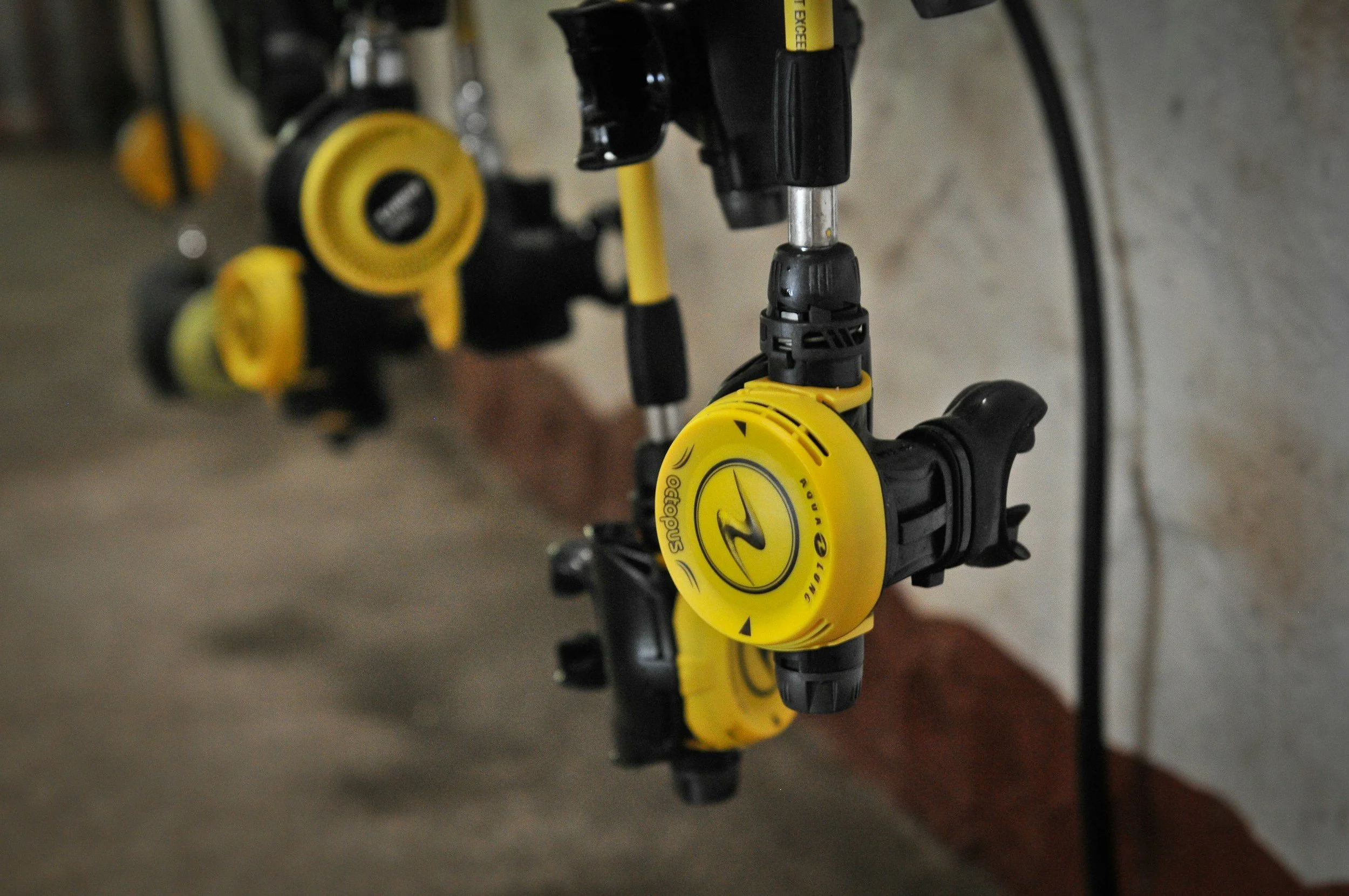
The Breathing Reset Worksheet is designed to help divers understand and reflect when they are feeling panicked underwater.
Use before, after, or during dives or surface intervals.
You can view or download the SBOA Breathing Reset Worksheet on the above link.
Pre-Dive Mental Routine Worksheet
The worksheet helps divers:
• recognise their breathing pattern
• practice slowing breathing
• mentally rehearse calm underwater breathing prior to getting in the water.
It becomes a pre-dive mental reset tool.